Tehran: Tensions in the Middle East have escalated again after Iran announced its withdrawal from the temporary ceasefire and understanding reached with the United States, accusing Washington of repeatedly violating the terms of the agreement.
Iranian Deputy Foreign Minister Kazem Gharibabadi said Tehran would continue to maintain control over the Strait of Hormuz, describing it as vital to the country’s national security. He asserted that Iran would not compromise on measures it considers necessary to safeguard its interests.
The latest development comes amid reports of heightened military activity in the region. US forces have reinforced their naval presence near Iranian waters, while reports of exchanges of fire between Iranian and US forces in the Strait of Hormuz have further fuelled tensions.
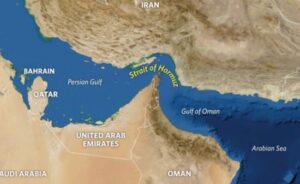
According to the US Central Command (CENTCOM), Iran has launched missile and drone attacks targeting the Gulf region, including Bahrain and Kuwait, prompting warning sirens in several areas and forcing residents to seek shelter.
The United States has reportedly deployed two aircraft carriers, multiple warships, Marine units and fighter aircraft to the Arabian Sea as part of its enhanced military posture.
The renewed tensions have raised concerns over the security of shipping through the Strait of Hormuz, one of the world’s busiest oil transit routes. Analysts warn that any prolonged disruption could push up global crude oil and fuel prices, with potential repercussions for energy supplies and the global economy.