
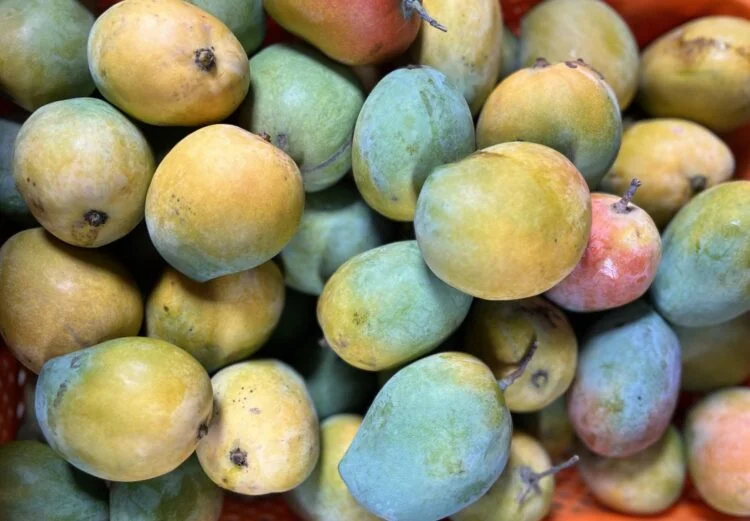
New Delhi: The arrival of mango season in India has traditionally been celebrated with joy, but in recent years the popular fruit has become a subject of health concerns due to rising cases of diabetes and obesity.
Health experts say many people now avoid mangoes fearing weight gain or blood sugar spikes. However, nutritionists stress that mangoes can still be safely included in a balanced diet when consumed in moderation.
Aishwarya More, Consultant Dietician at Medicover Hospitals, Navi Mumbai, said that modern lifestyle diseases and sedentary habits have changed the perception of sweet fruits like mangoes.
“Many people sit longer, move less and depend on processed foods. As health concerns rise, people often try to avoid sweet foods completely, and mangoes unfortunately get included in that fear,” she explained.
According to experts, mangoes were traditionally eaten seasonally and in moderate quantities alongside active lifestyles. The problem, they say, is not the fruit itself but excessive consumption and poor dietary balance.
Dieticians recommend limiting intake to one small or medium-sized mango a day for healthy adults. Timing also matters, with experts suggesting that mangoes are best eaten in the morning or afternoon so the body can utilise the energy effectively.
Nutritionists further advise pairing mangoes with protein or fibre-rich foods such as curd, nuts or balanced meals to slow sugar absorption and reduce sudden spikes in blood glucose levels.
Experts say mangoes have a moderate glycaemic index, meaning they generally cause a gradual rise in blood sugar when eaten sensibly. People with diabetes can also consume mangoes in controlled portions after consulting doctors or dieticians.
Health specialists recommend eating fresh mangoes instead of juices and avoiding extra sugar additions.
Experts maintain that mangoes remain a nutritious seasonal fruit rich in vitamins, antioxidants and fibre, and there is no need to avoid them completely when consumed responsibly.