Kolkata: The PM Vishwakarma scheme has registered 30 lakh traditional artisans and craftspeople in its first three years, with around 24.50 lakh beneficiaries completing basic skill training, Union MSME minister Jitan Ram Manjhi said on Thursday.
The Ministry of Micro, Small and Medium Enterprises marked the scheme’s third anniversary at the Dhono Dhanyo Auditorium in Kolkata, highlighting its focus on skill development, modern tools, affordable credit and market support for traditional artisans.
Manjhi said 18.15 lakh modern toolkits had been delivered to beneficiaries through India Post, while 6.18 lakh Vishwakarmas had received loans of up to ₹1 lakh at a concessional interest rate of 5% per annum.
The loans disbursed under this component have amounted to ₹5,297 crore, he said.
West Bengal was onboarded to PM Vishwakarma in May 2026. Chief Minister Suvendu Adhikari said more than 7 lakh applications had been received in the state and assured that the state government would expedite support to enable eligible artisans to access the scheme.
He also called for coordinated efforts between the Centre and state agencies to ensure timely implementation.
Union Minister of State for MSME Shobha Karandlaje said West Bengal’s onboarding marked an important step in extending the scheme’s benefits to the state’s traditional artisan community.
She urged beneficiaries to make full use of the training, tools, credit and market opportunities available under PM Vishwakarma and stressed the importance of empowering women entrepreneurs in building stronger families and communities.
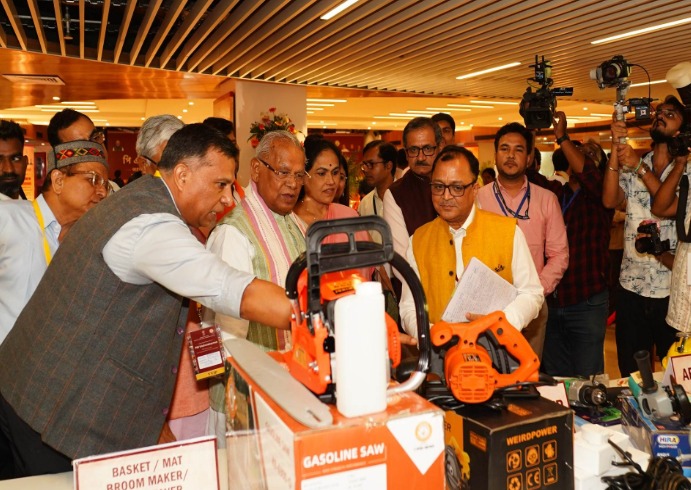
An exhibition showcasing traditional arts and crafts by Vishwakarma artisans from West Bengal was also inaugurated during the event.
Certificates, PM Vishwakarma IDs, toolkits and ₹1 lakh cheques were distributed to beneficiaries from the state.
More than 2,000 Vishwakarmas and panchayat functionaries from different districts participated in the programme.
Launched on September 17, 2023, PM Vishwakarma aims to help traditional artisans transition from livelihood-based work to sustainable enterprises under the motto “Samman, Samarthya and Samriddhi”.